Power, Mon Amour
— Strength and power are different. You wanted strength. Carmilla wanted power.
— In the end, yes. That's what it turned into. Which is what ruined my life. Power. Big, international, non-diplomatic, projected power is something else. It lends you more might, but it doesn't have the utilities of strength. It lays eggs in you. It becomes a parasite you have to feed. Power does nothing but eat.
— Like a vampire.
— Like a vampire.
Succinctly, well put. This is a potent overview, really. And then, there are sociological, psychological, and, of course, political discourses in volumes of pages dissecting this subject. Here, however, I will compile a list that doesn't teach you theories, but helps you to internalise them. Our goal is not only to understand,[1] but to feel.
01. Animal Farm by George Orwell
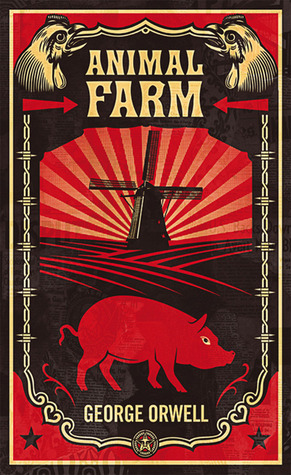 Orwell's primary inspiration for this classic was the Soviet Union under Stalin's regime. Firstly, a communist, and then an anarchist, Orwell wasn't bashing the opponents. He was telling a sobering tale. Pointing out to our naive belief that people in power can behave altruistically, and we can stop questioning them in good faith. Although we, the people, possess or show strength, we happily lend it to autocrats to make them powerful at the expense of our rights and freedom. This is a truth of historic proportions that we tend to overlook. Maybe that is because our slavery has become much more comfortable nowadays.
02. 1984 By George Orwell
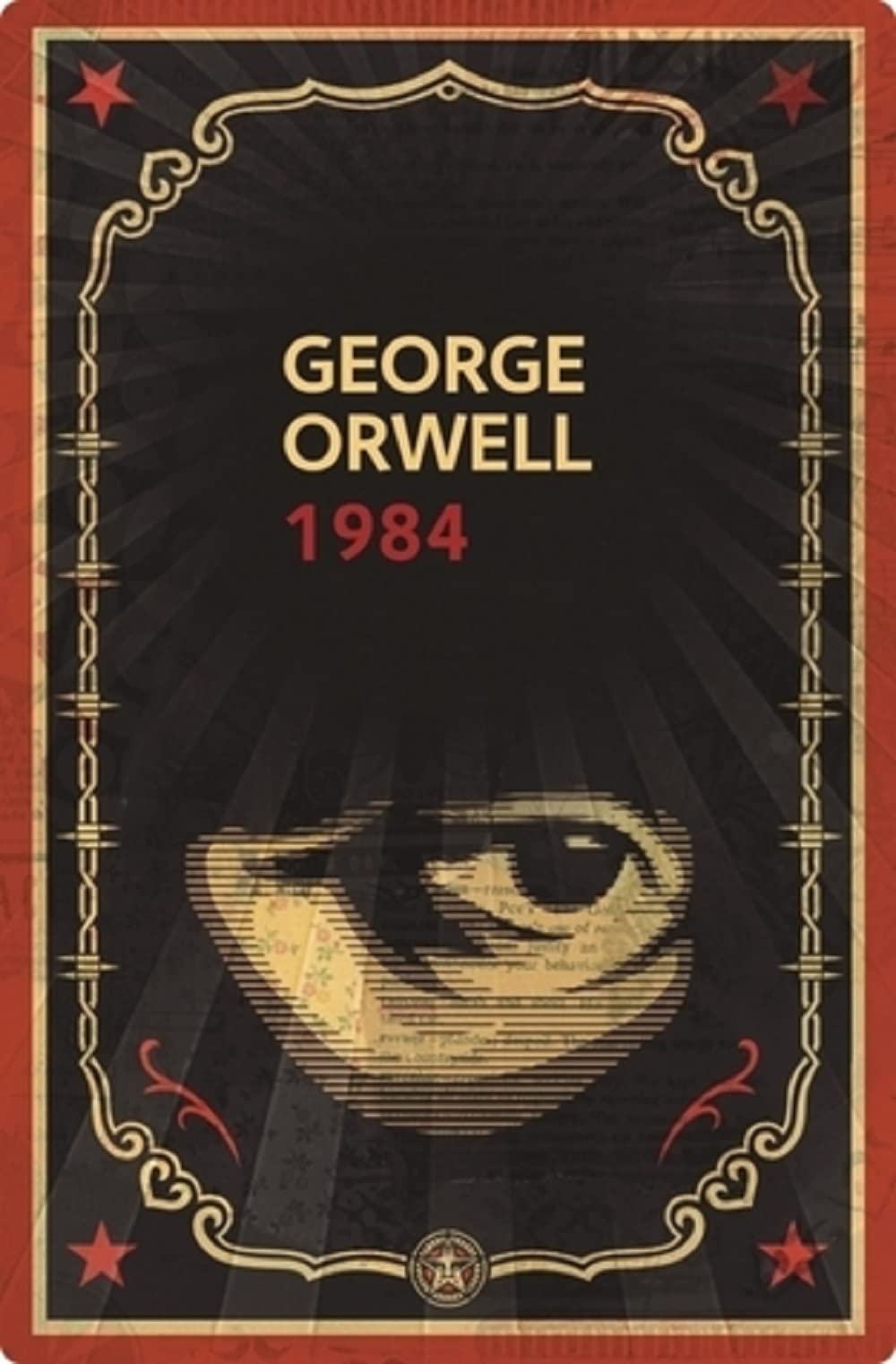 What Orwell started in Animal Farm, through decades of journey, culminated in 1984.[2] The prospect of this book is bleaker than the Animal Farm. Authoritarianism found its way to the heart of England in the form of IngSoc. When I say "to the heart", I mean it. Everyone is suspicious and eager to report the dissidents, even if they are parents. Distrust, control, manufactured narratives and a new language dubbed newspeak to spare people from cognitive dissonance rising from such a society. This is much more sophisticated, similar to our society, where we manufacture truth regularly to keep the illusion of normality going on.
03. Fahrenheit 451 by Ray Bradbury

In their too comfortable life, where the government is in an extreme effort to eliminate thinking and questioning, people are living a life that can only be described as impulsive.
This points to another core truth about Power. Power doesn't want you to be miserable by default. It simply doesn't care about you. It will do whatever suits it best, regardless of the implications it may have on you.
04. The Handmaid's Tale by Margaret Atwood
 In many ways, this is very similar to 1984. But it is unique in two aspects. (a) This is a dystopian USA, and (b) because it is American, it is a Christian dystopia. The power structure is also much more complex than most of the dystopian works, with each level having certain advantages and disadvantages. The constant terror of being whistled out is also quite acute.
This is a feminist book and particularly explores the position of women, who are already in a position of disadvantage in our current society. As long as power is the concern, they are a marginal population. And, in any autocratic society, especially if it is built upon some fascist ideas, marginalised demographies become more marginalised. This book explores this aspect of dystopia in depth.
05. V for Vendetta by Alan Moore

A graphic novel, a cult classic, V for Vendetta, is not by any means a typical superhero comic. It explores the premises of anarchism thoroughly, so much so that if you want to be familiar with the political theory of anarchism, this is a much better primer than many well-known alternatives.
This has so many intertwining stories with deep psychological insights and complex power structure, so many cultural references, you may want to read it several times.
I believe political scientists themselves understand this matter very little. Being a soft science, it is less formal. Also, governments keep many secrets that become available after a long time. It is hard to catch up with all the machinations at play. ↩︎
Dorian Lynskey wrote The Ministry of Truth, covering the history of this book. ↩︎